The morning was still grey when the first soft tapping hit the kitchen window. A tiny silhouette on the fence, chest glowing orange like a small flame in the cold air. While the coffee machine gurgled, a hand absent-mindedly scraped breadcrumbs from the cutting board into a bowl. Half a chopped apple, a few oat flakes that had fallen onto the counter, a lonely raisin that had rolled away. Hardly worth noticing – except for the little robin that suddenly dropped down onto the lawn as if someone had rung its breakfast bell.
A few minutes later, there were three of them. Silent, quick, curious. The kind of scene you don’t plan and then secretly hope will repeat every single day.
The funny thing is: all you need is yesterday’s kitchen scraps and two minutes of habit.
Warum Rotkehlchen auf Ihre Küchenreste fliegen
Once you’ve watched a robin hop closer and closer to your feet, you start seeing your garden differently. The lawn is no longer just lawn, the hedge is no longer just a green wall. It’s a small stage, and that bright orange chest is the unexpected main actor.
Robins are bold, almost nosy birds. They like people, but they like easy food even more. Crumbs, soft fruit, a few oat flakes – for them, your kitchen counter is basically a buffet.
The trick is to turn what you usually throw away into a quiet invitation: “Breakfast is served.”
One reader from Bremen told me about the moment it clicked for her. She had just sliced homemade bread and brushed a pile of crust crumbs straight into the bin. Out of habit, nothing more. Then she remembered an old neighbor who always scattered leftovers on a flat stone.
The next morning she tipped a handful of old oats, a piece of bruised apple and some dry bread onto a flowerpot saucer. She placed it on the low wall by the hedge, still in her pajamas. Ten minutes later, while scrolling her phone at the table, she glanced up – and there it was. A robin, then another, then a blue tit sneaking in at the edge.
Since then, the compost bin has been getting less and the birds have been getting more.
There’s a simple reason this works so well. Robins are opportunistic feeders: they love small insects, worms, and anything soft and easy to peck. Garden soil works, but a concentrated pile of edible scraps? Even better. Your kitchen already produces exactly what these birds need – just in the wrong place.
➡️ If you want beautiful apples, this step is indispensable starting today
➡️ “I make it every Sunday in winter”: the potato and Brussels sprouts gratin my whole family fell for
➡️ Warum alte Porzellankannen auf Flohmärkten wieder teuer gehandelt werden – Kunst im Alltag
Instead of disappearing in a garbage bag, those crumbs and fruit corners become a reliable signal. Birds remember where they find food, especially in the colder months when every calorie counts. *Once a spot feels safe and regularly stocked, they weave it into their daily route.*
You are not “taming” them. You’re just slipping into their map as a trusted breakfast stop.
Der einfache Küchenrest-Trick – so locken Sie Rotkehlchen an
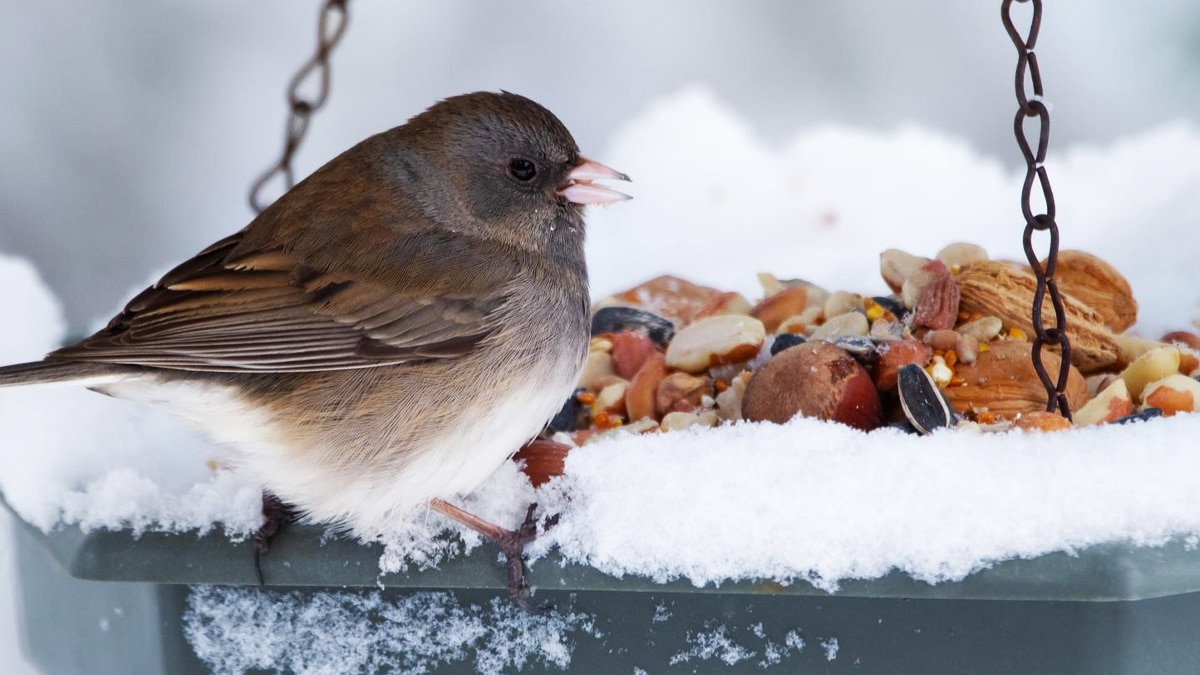
The method is almost embarrassingly simple. After breakfast or dinner, pause before you sweep everything straight into the trash. Separate a tiny “robin portion”: a spoonful of dry bread crumbs, a bit of grated apple that no one finished, a few oat flakes, some unsalted, crushed sunflower seeds if you have them.
Place this mix on a flat, open surface outside. A low wall, a balcony railing with a flat dish, a large stone, or the edge of a raised bed. The spot should be quiet but visible from a window. Robins like cover nearby, like a hedge or shrub, yet they want to see danger coming.
Do this at roughly the same time each morning. Not perfectly timed, just “around breakfast”.
A small warning from real life: the first days feel a bit silly. You put your tiny plate of scraps outside, stare out the window… and nothing. Or a crow swoops down, grabs the biggest piece and leaves like a bully in a schoolyard. That’s the moment most people stop.
Let’s be honest: nobody really does this every single day. You will forget, you will be late, some mornings you’ll just push everything into the bin because you’re in a rush. That’s fine. What matters is the overall rhythm. If the birds find something three or four mornings a week, they’ll keep checking.
And one cold morning, while you’re half awake and your toast is getting cold, you’ll suddenly notice that orange flash on the fence. Then you’re hooked.
“Once we started laying out our ‘scrap saucer’ every morning, the garden felt different,” says Anke, 62, who lives in a terraced house near Cologne. “The robins arrived first, then blackbirds, then a wren in winter. I never thought a few old bread ends could change my mood before 8 a.m.”
Use your scraps wisely. Some work wonderfully, some are a no-go. To keep your visitors safe and coming back, think in this simple grid:
- Soft bread crumbs, plain oats, unsalted seeds – ideal, easy to peck, gentle on small beaks.
- Chopped apple, pear, soft berries – good, especially in winter and early spring.
- No salty, spicy or moldy leftovers – birds’ kidneys and tiny bodies can’t handle it.
- No cooked pasta or rice in piles – it attracts rats faster than robins.
- Always small amounts – you’re offering a snack, not opening a landfill.
Ein kleiner Morgenritual, das mehr verändert als den Garten
Something curious happens when you start this kitchen-scrap ritual. You begin to notice the weather in a different way. Whether the robins come earlier on frosty mornings, how their feathers puff up in the drizzle, how quickly they vanish when a cat sneaks along the fence.
Your garden, no matter how small, slowly turns from “outside” into a kind of shared room. Not controlled, not perfect, just more alive. And that tiny pause at the window, coffee in hand, watching who showed up today, becomes a quiet anchor in a day that might be chaotic later.
It’s a small act of generosity that costs nothing and still feels oddly rich.
| Key point | Detail | Value for the reader |
|---|---|---|
| Küchenreste als Futter nutzen | Crumbs, soft fruit, oats and seeds statt Müll | Weniger Abfall, mehr Vogelbesuch ohne extra Kosten |
| Fester Futterplatz im Garten | Flache, sichtbare Stelle nahe Hecke oder Strauch | Robins fühlen sich sicher und kommen regelmäßig wieder |
| Sanfte Morgenroutine | Kurzer Gang nach draußen, kleiner Snack für Vögel | Mehr Naturbeobachtung, ruhiger Start in den Tag |
FAQ:
- Welche Küchenreste eignen sich besonders gut für Rotkehlchen?Ideal sind ungesalzene Brotkrumen, Haferflocken, klein geschnittene Äpfel oder Birnen und naturbelassene Sonnenblumenkerne. Alles möglichst trocken, nicht gewürzt und in kleinen Stücken.
- Kann ich auch gekochte Essensreste geben?Nur sehr begrenzt. Gekochter Reis oder Nudeln ziehen schnell Ratten an und sind für Vögel nicht besonders nahrhaft. Besser auf natürliche, wenig verarbeitete Reste setzen.
- Wie oft sollte ich füttern, damit Rotkehlchen bleiben?Einmal täglich reicht, gerade in der kühlen Jahreszeit. Es muss nicht jeden Tag sein, doch eine halbwegs regelmäßige Routine hilft den Vögeln, Ihren Garten als sicheren Futterplatz einzuplanen.
- Ist das Füttern von Vögeln im Sommer sinnvoll?Robins finden im Sommer meist genug Insekten, freuen sich aber über kleine Extras. Dann eher sparsam füttern und auf Vielfalt im Garten setzen, etwa durch blühende, heimische Pflanzen.
- Wie verhindere ich, dass nur Tauben oder Krähen kommen?Füttern Sie kleine Mengen auf niedrigen, eher geschützten Plätzen nahe Sträuchern. Große Brotreste und offene Rasenflächen locken vor allem größere Vögel an, während feine Krümel und verstecktere Ecken besser zu Rotkehlchen passen.